The Folds: Portrait - Painting
Painting from a Post-Structuralist Perspective
褶子:肖像 - 绘画
后结构主义视角下的绘画
This series of works references a concept from Deleuze: ‘the fold’. He believed that the world is not composed of fixed objects, but rather is a structure that is constantly folding and unfolding.
Therefore, using the deconstruction of portraits as a thread, this series explores the unfolding of painting across different dimensions.
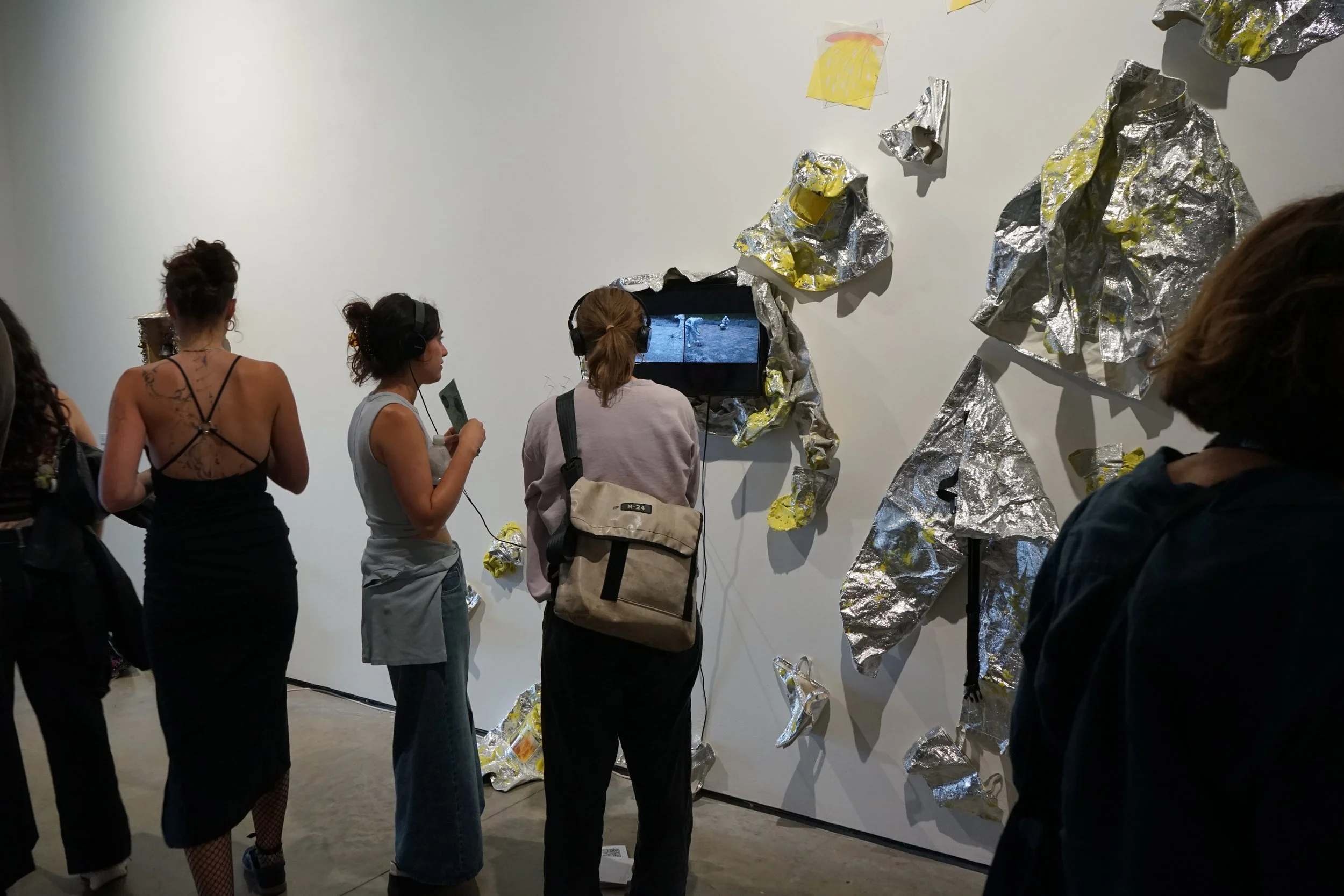
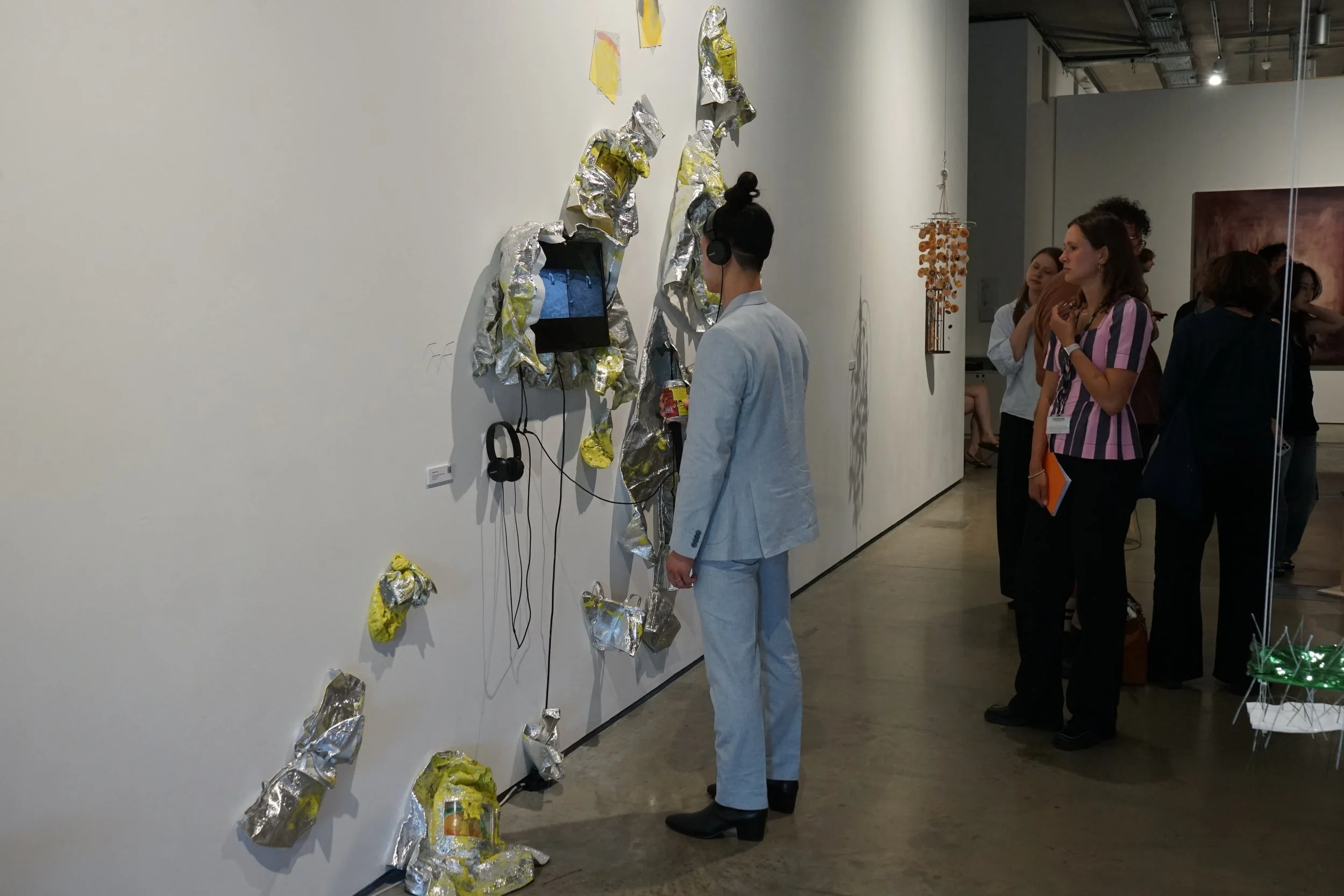
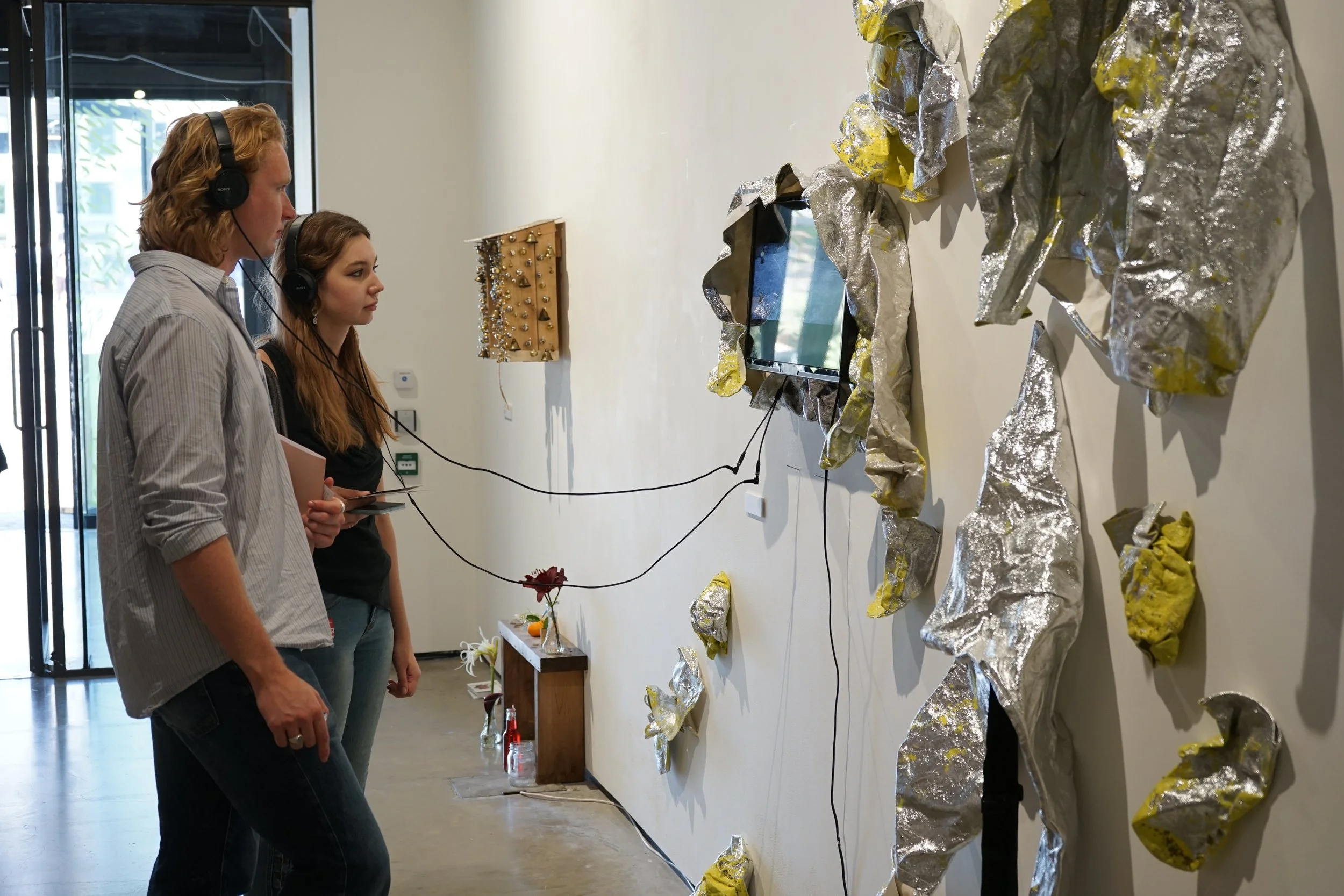
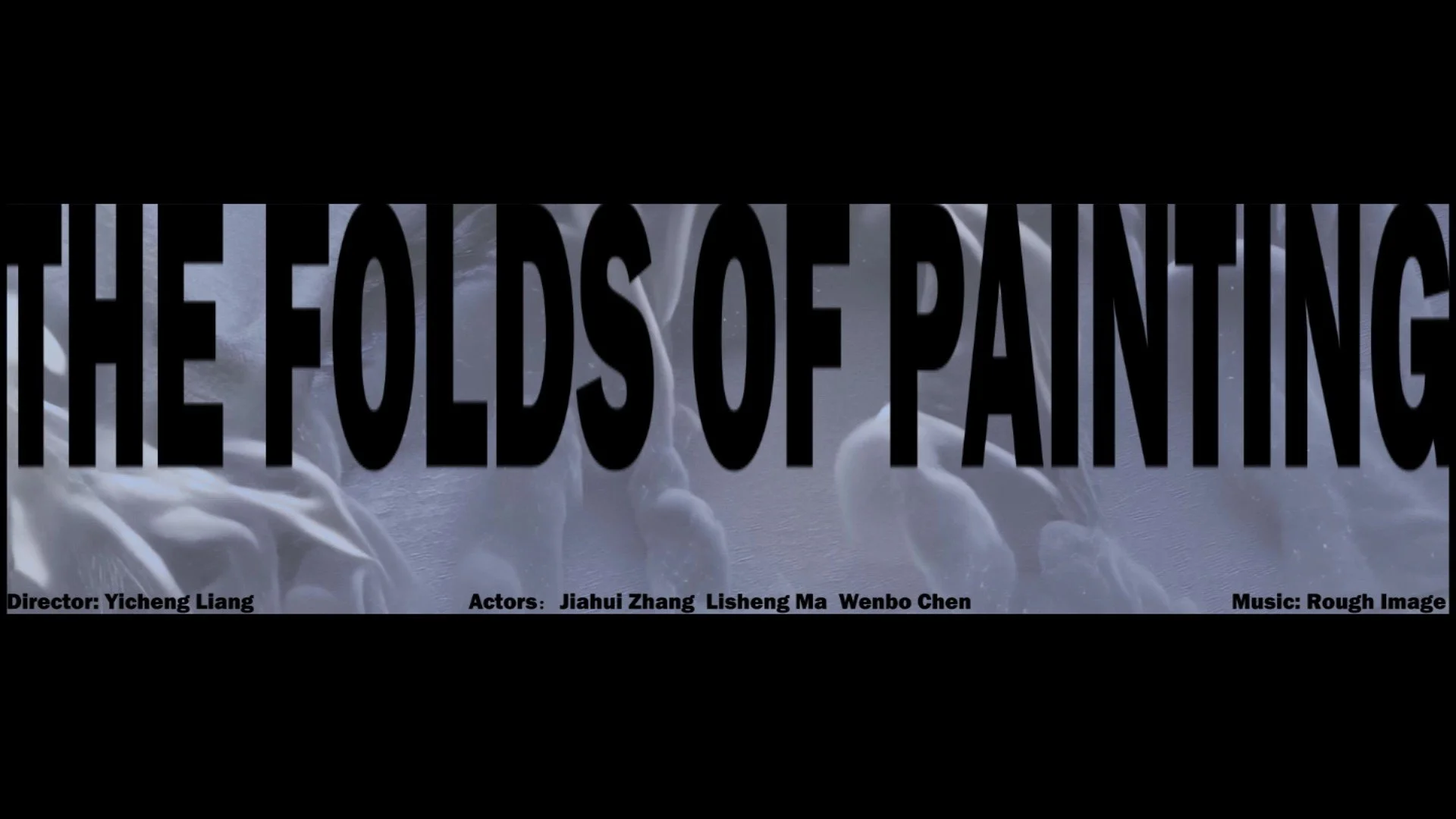
This short film presents painting as a form of cinema, giving painting a temporal dimension. When the dots, lines, and relationships within a painting enter time and space, they do not depart from the painting but instead become a new fold within it.
这组作品引用了德勒兹的一个概念‘褶子’。他认为世界不是由一个个固定的对象组成,而是一个不断折叠、展开的结构。
所以这组作品是以肖像的解构为线索,探讨绘画在不同维度的展开。
这个短片正在展示影像方式的绘画,绘画被赋予时间线的样子。当绘画中的点、线与关系进入时间与空间,它们并未离开绘画,而是成为绘画的一个新的褶子。
The Fold: Leibniz and the Baroque
德勒兹认为世界不是由固定的对象组成,而是由不断折叠、展开的结构组成。/内部与外部之间不存在真正边界。/空间不是封闭结构,而是连续折叠的界面。/褶子不是一个确定的形式,而是一种操作,一种生成。/表达并不是再现某个事物,而是使某种关系得以产生。/当绘画中的点、线与关系进入时间与空间,它们并未离开绘画,而是成为绘画的一个新的褶子。
Deleuze argues that the world is not composed of fixed objects, but rather of structures that are constantly folding and unfolding. /There is no real boundary between the interior and the exterior. /Space is not a closed structure, but a continuously folding interface. /The fold is not a fixed form, but an operation, a process of becoming. /Expression is not the reproduction of something, but rather the generation of a new relationship. /When the dots, lines, and relationships in a painting enter time and space, they do not leave the painting behind; rather, they become a new fold within it.
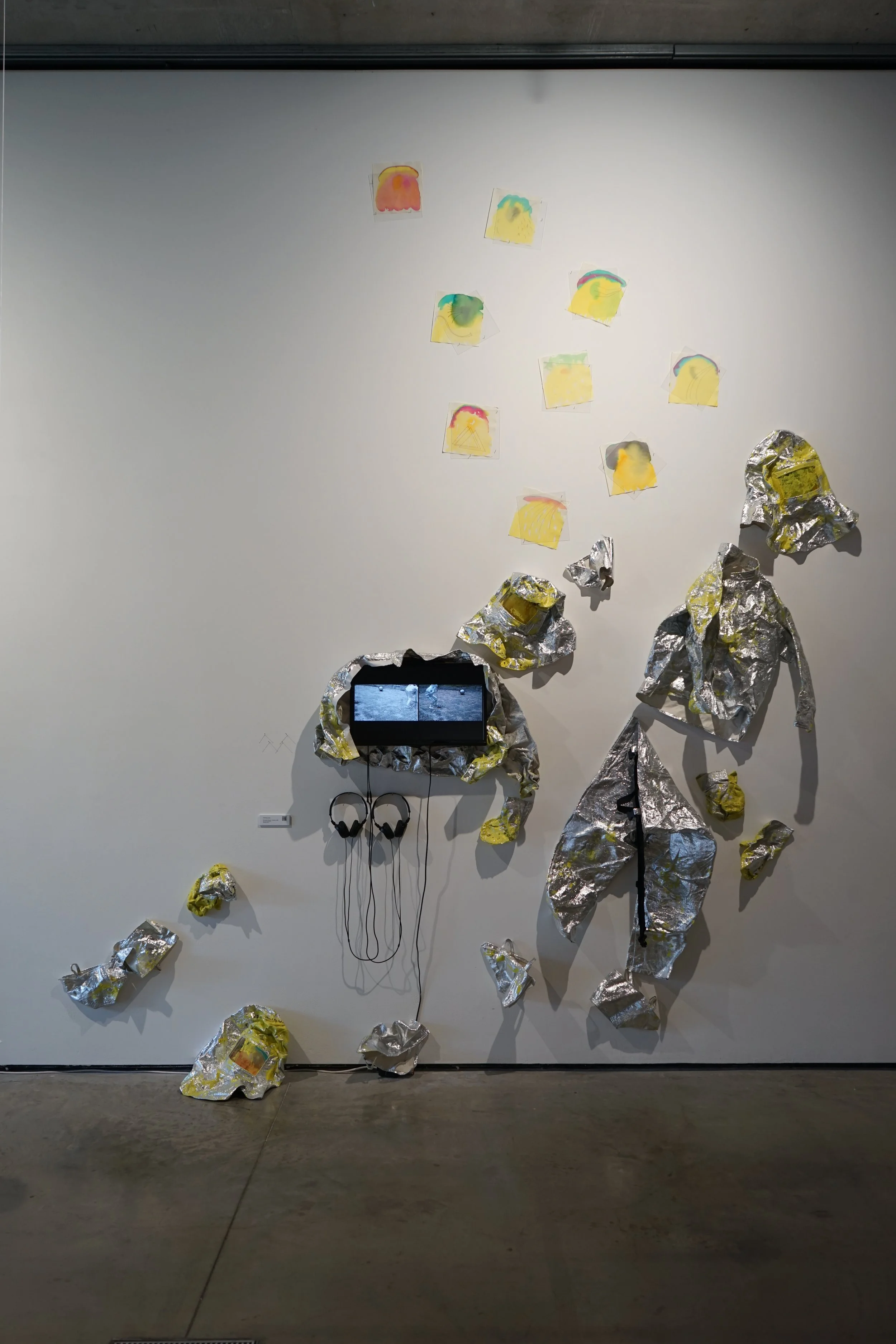
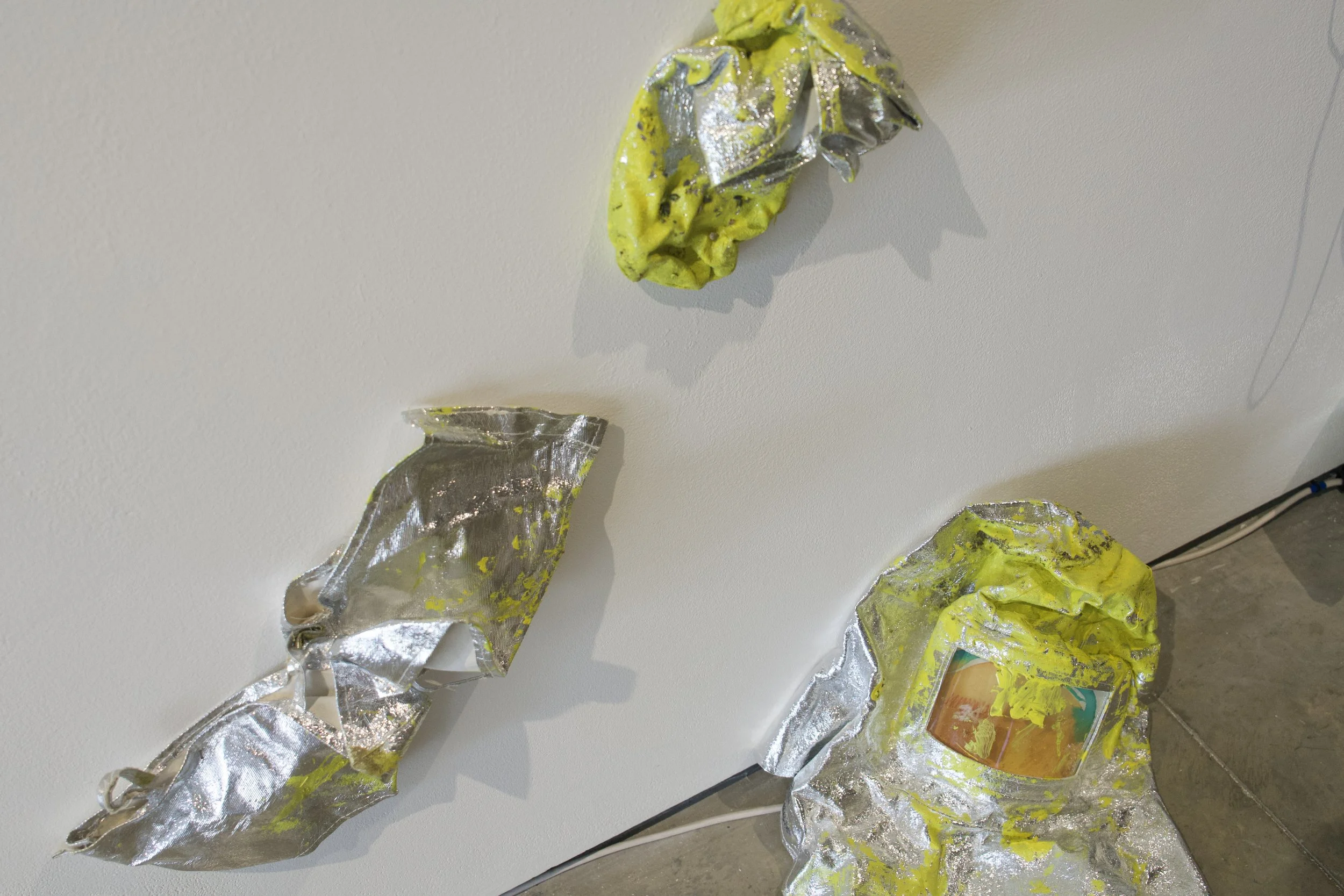
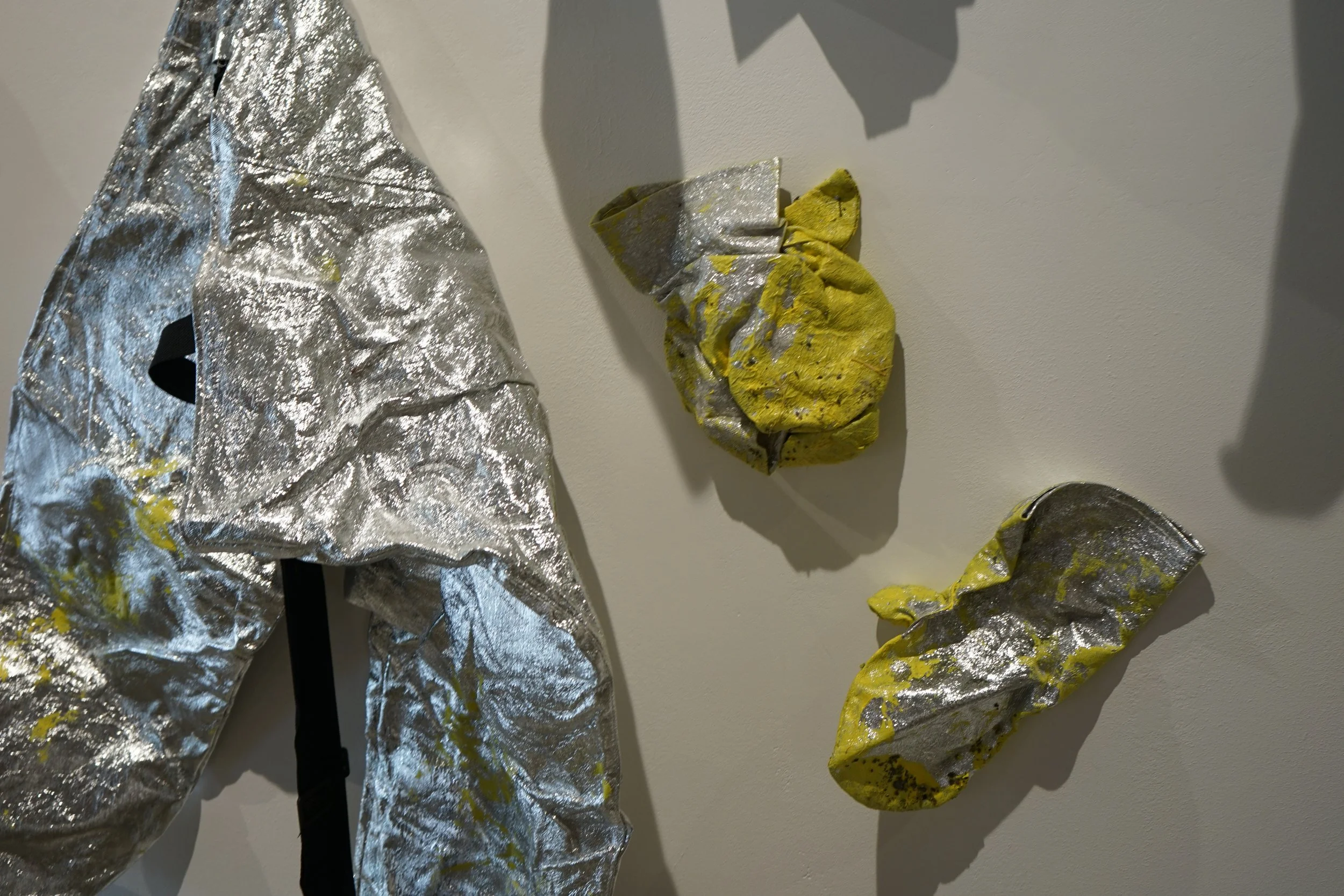
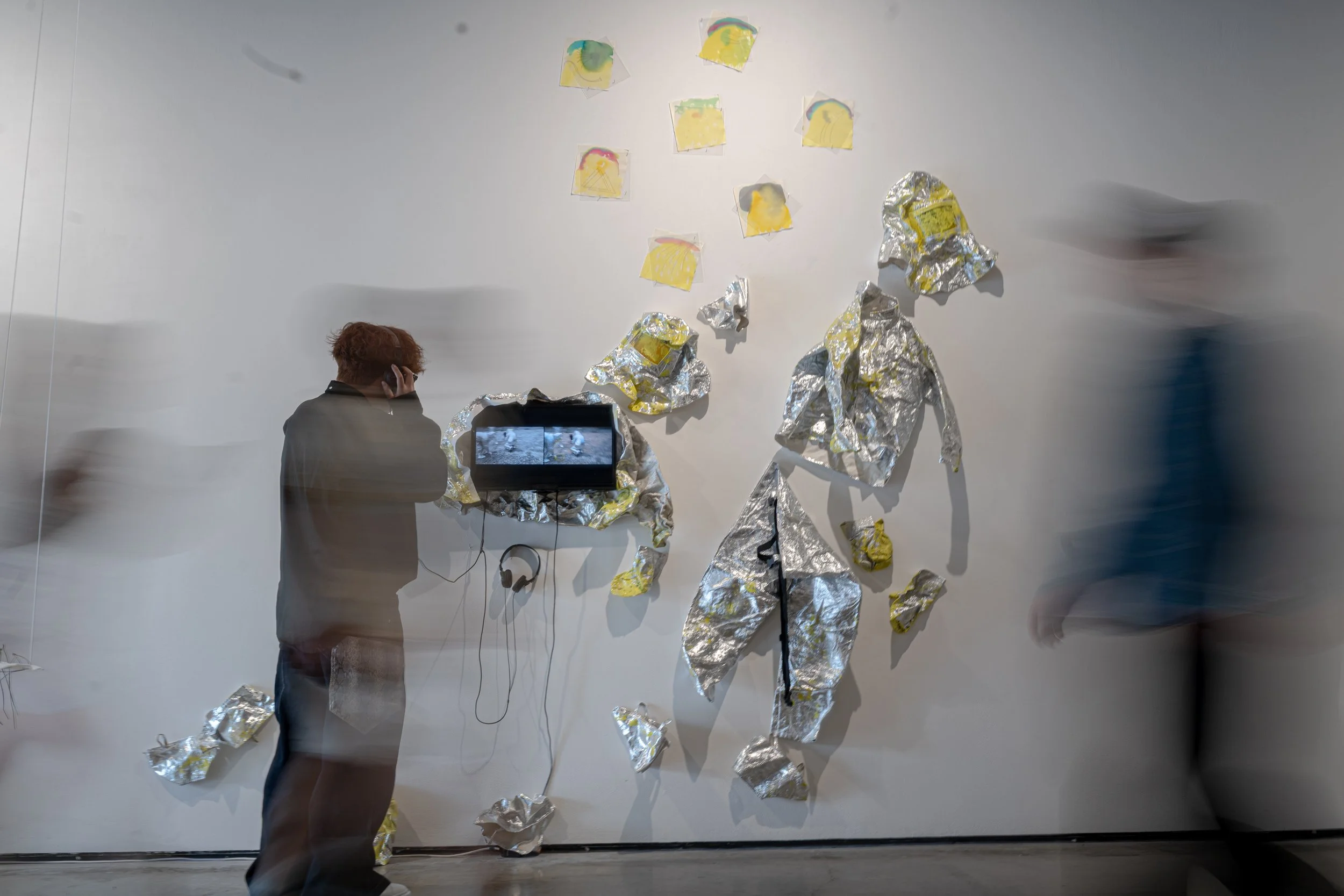
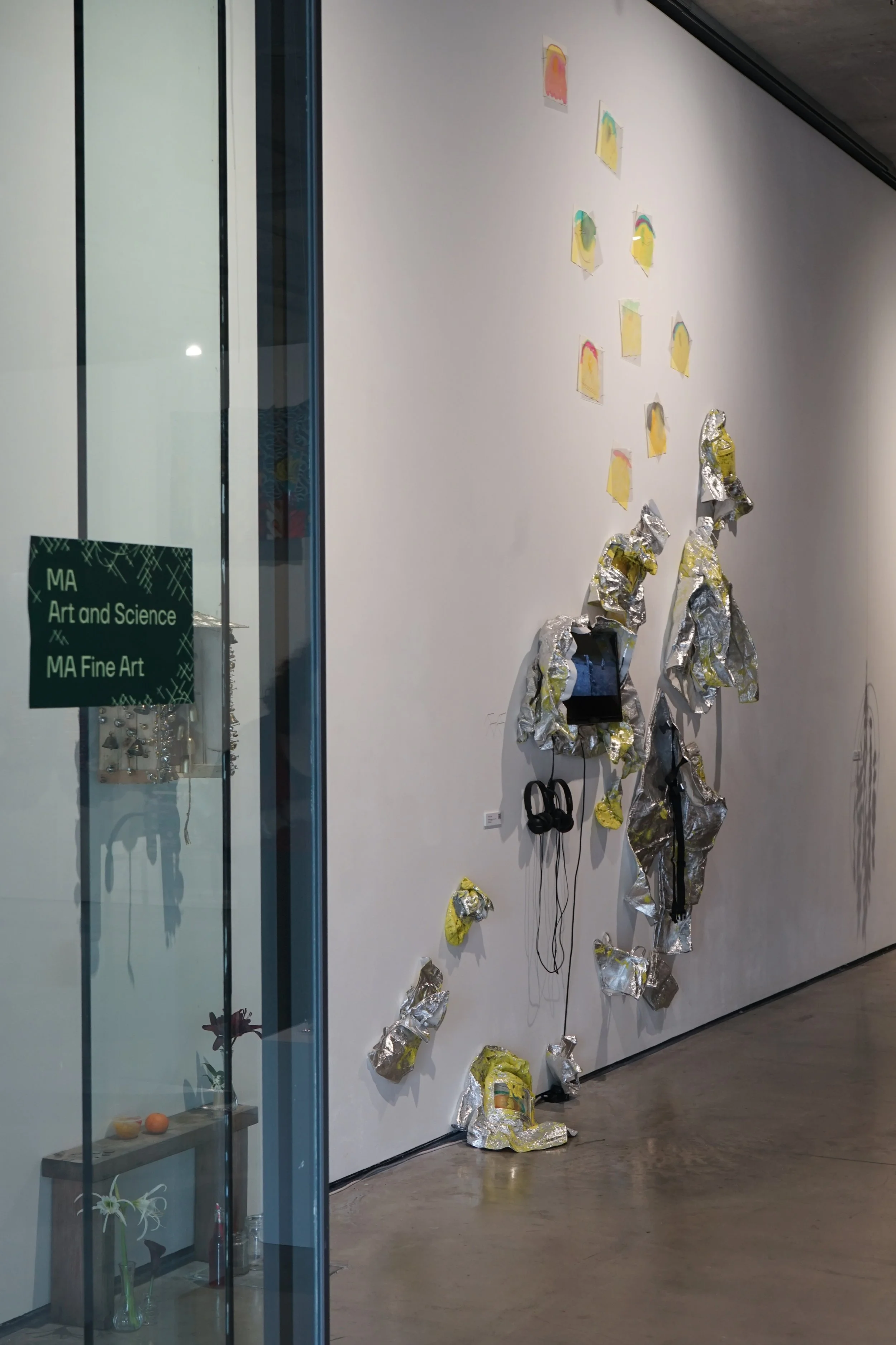
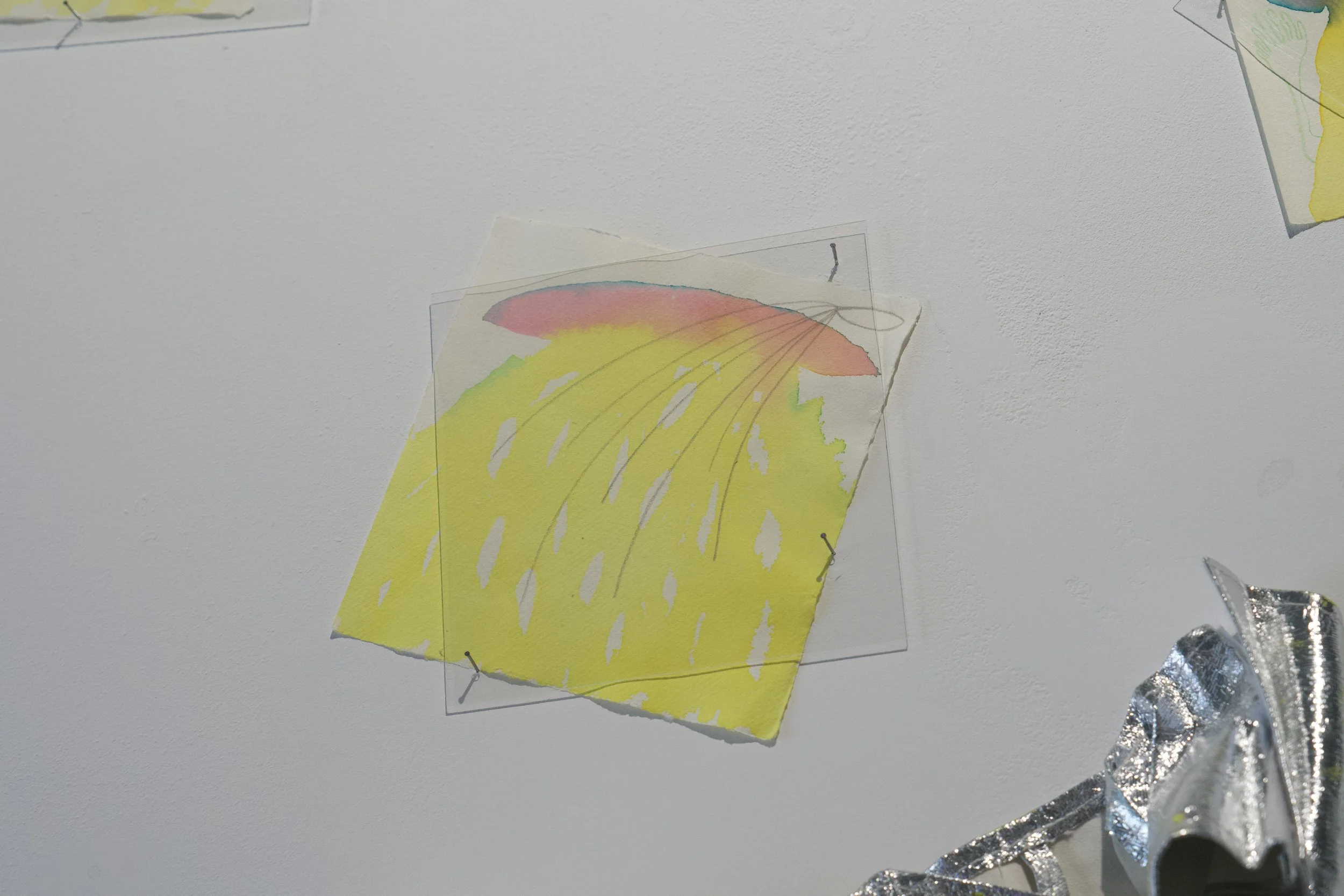
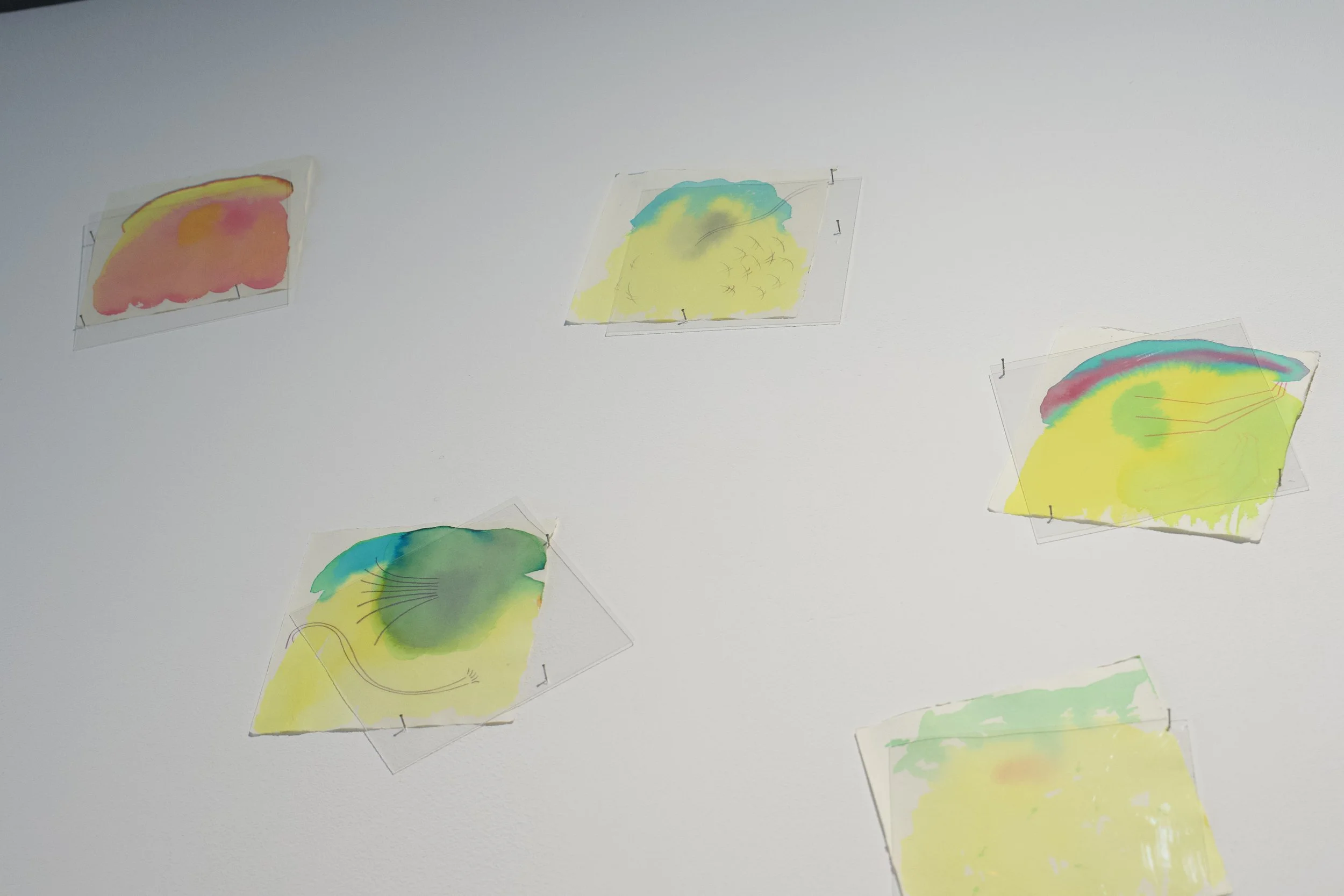
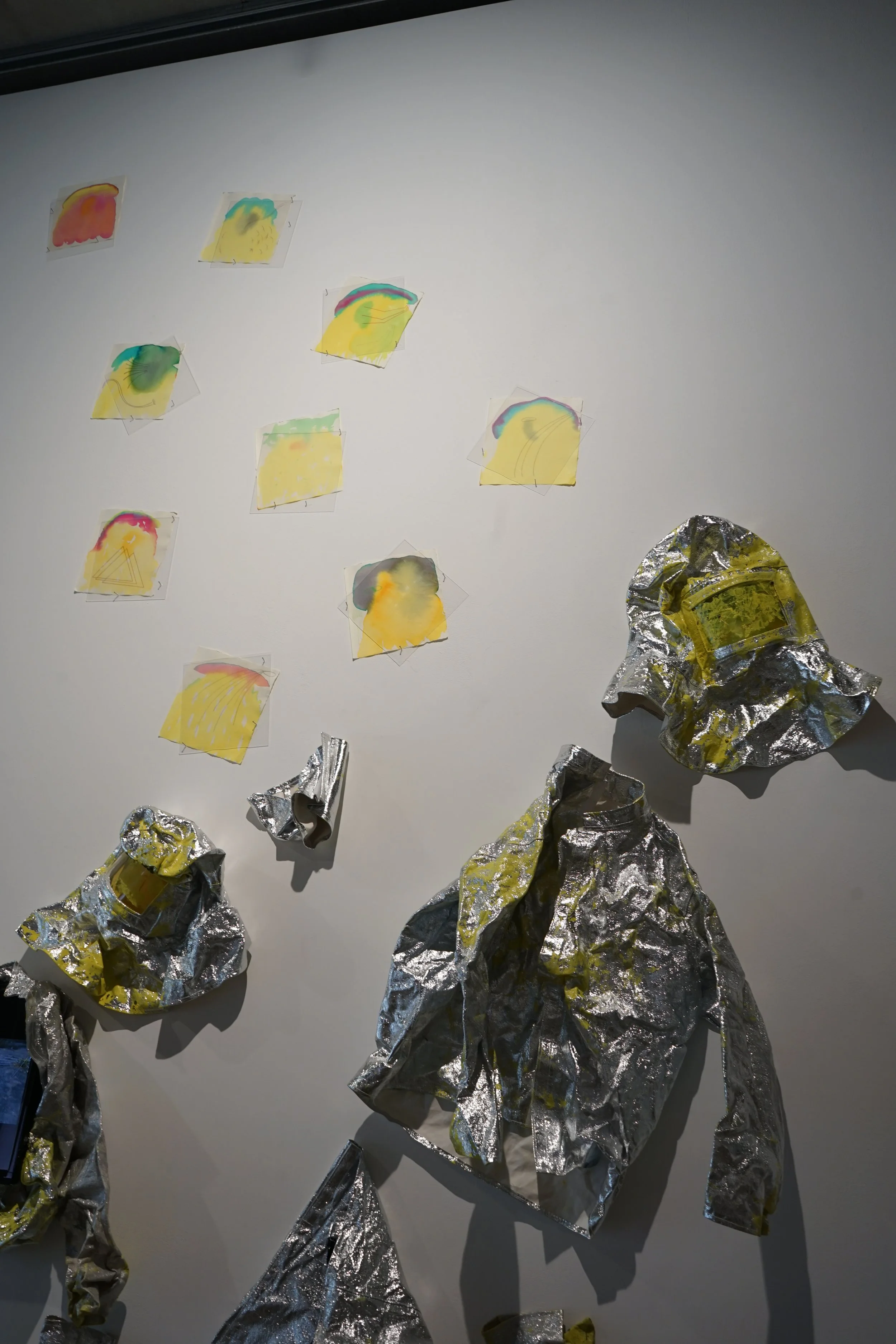
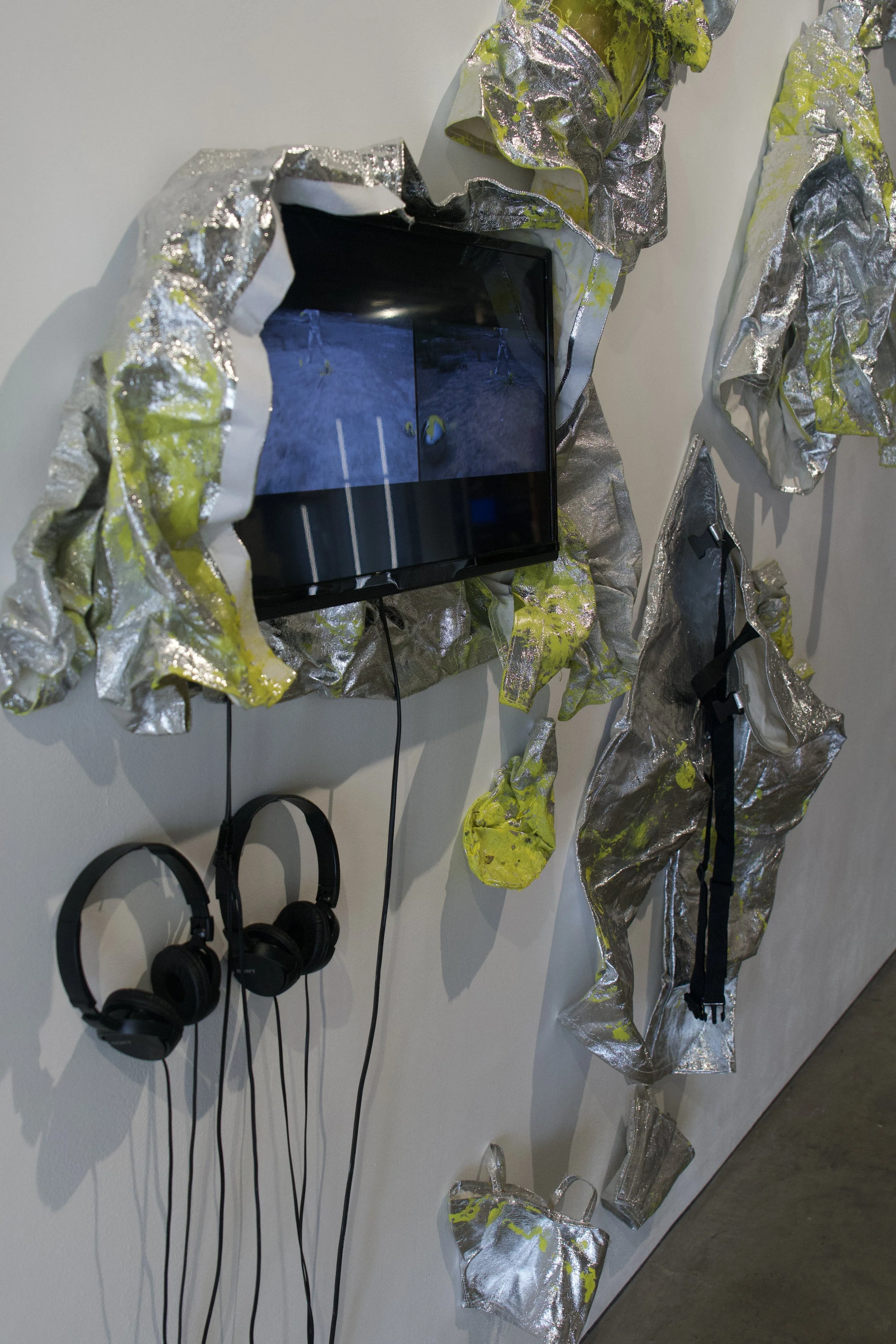
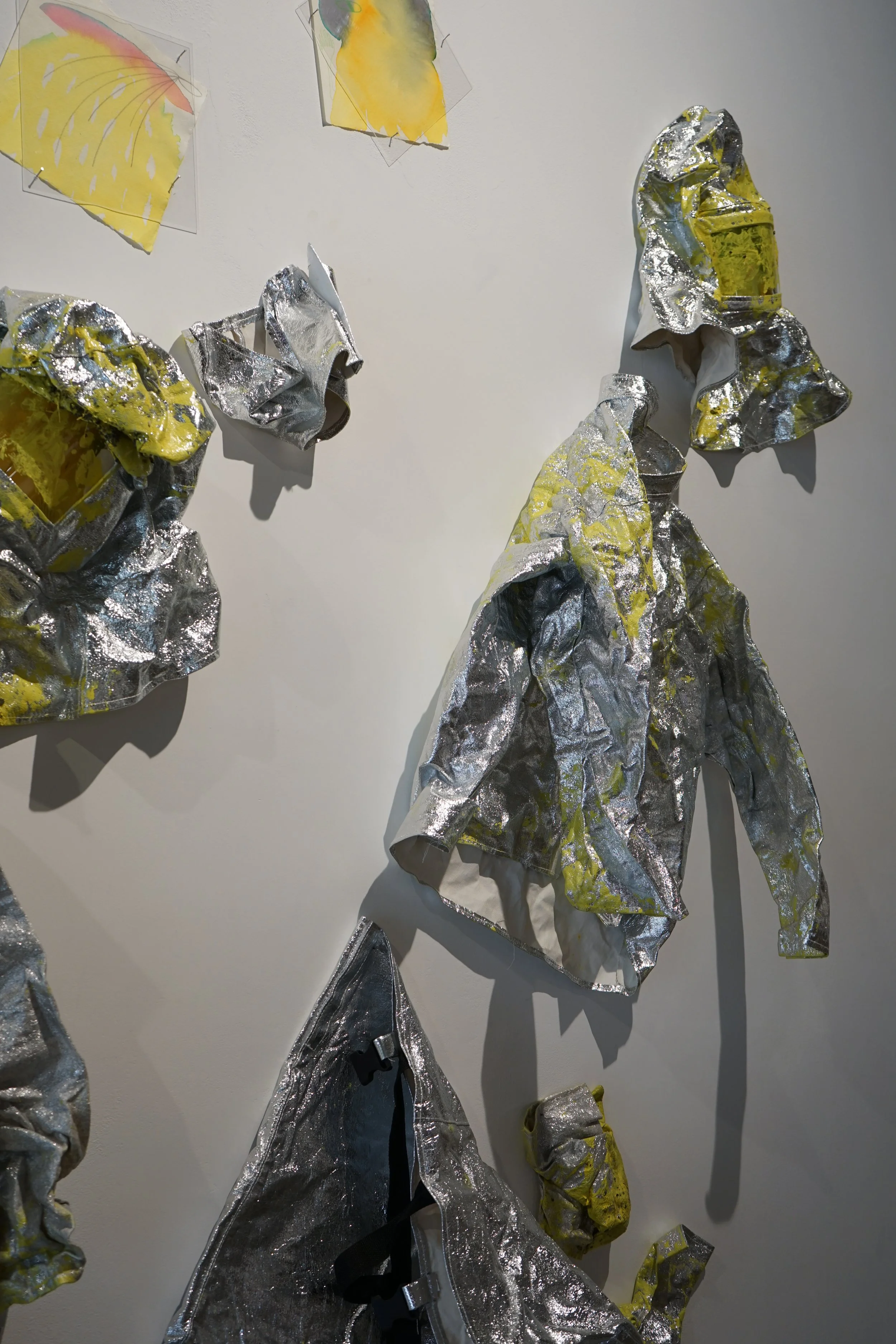
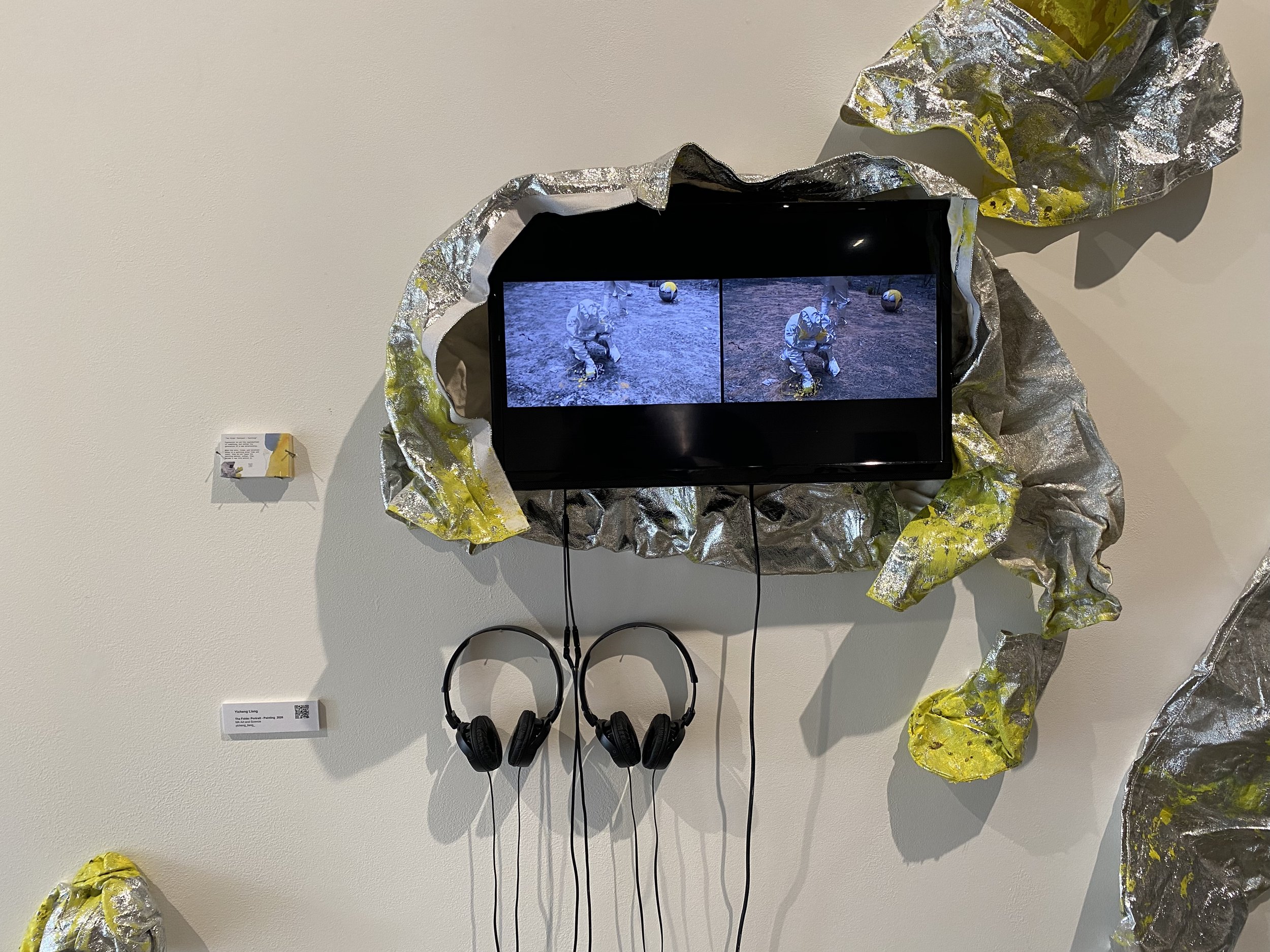
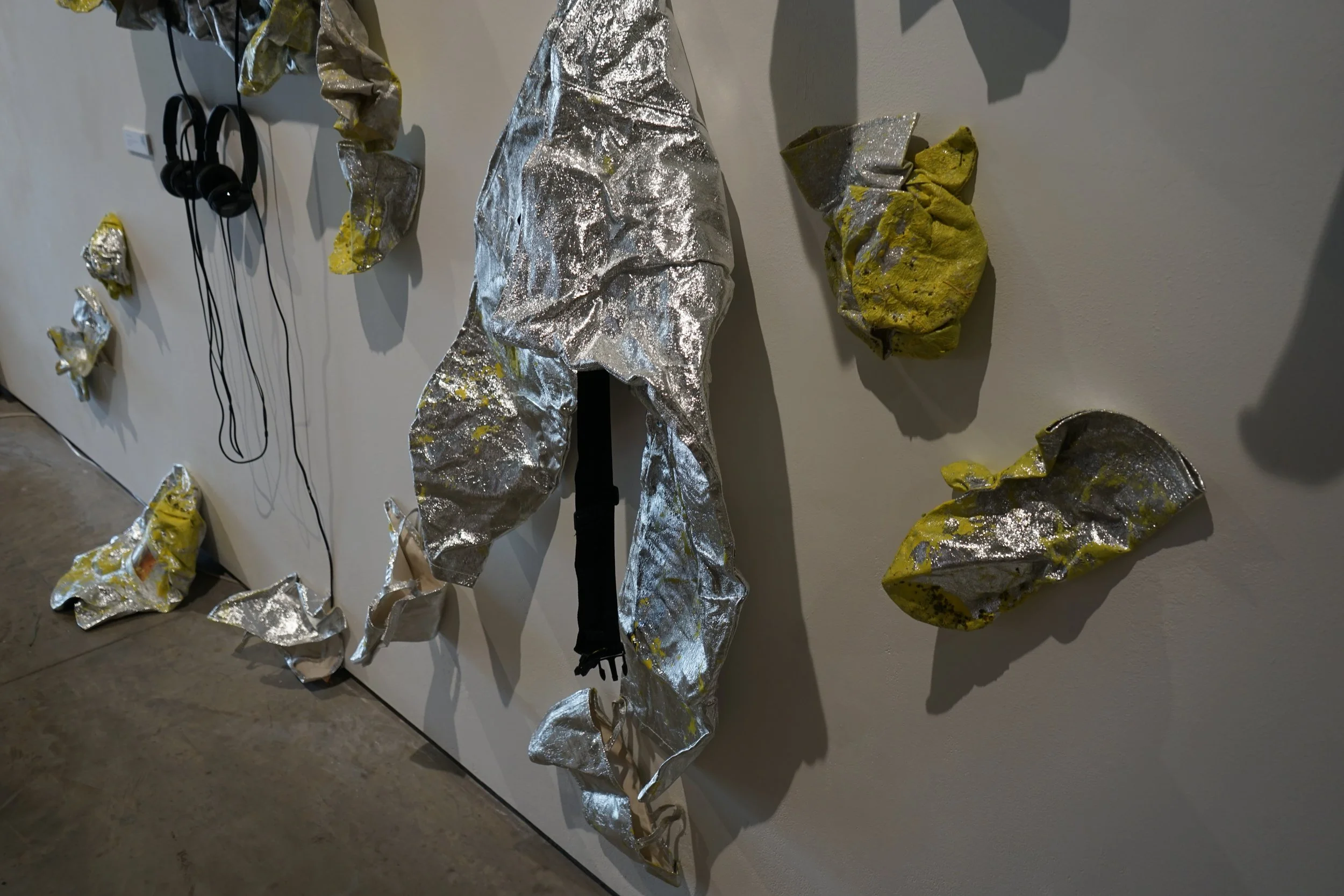
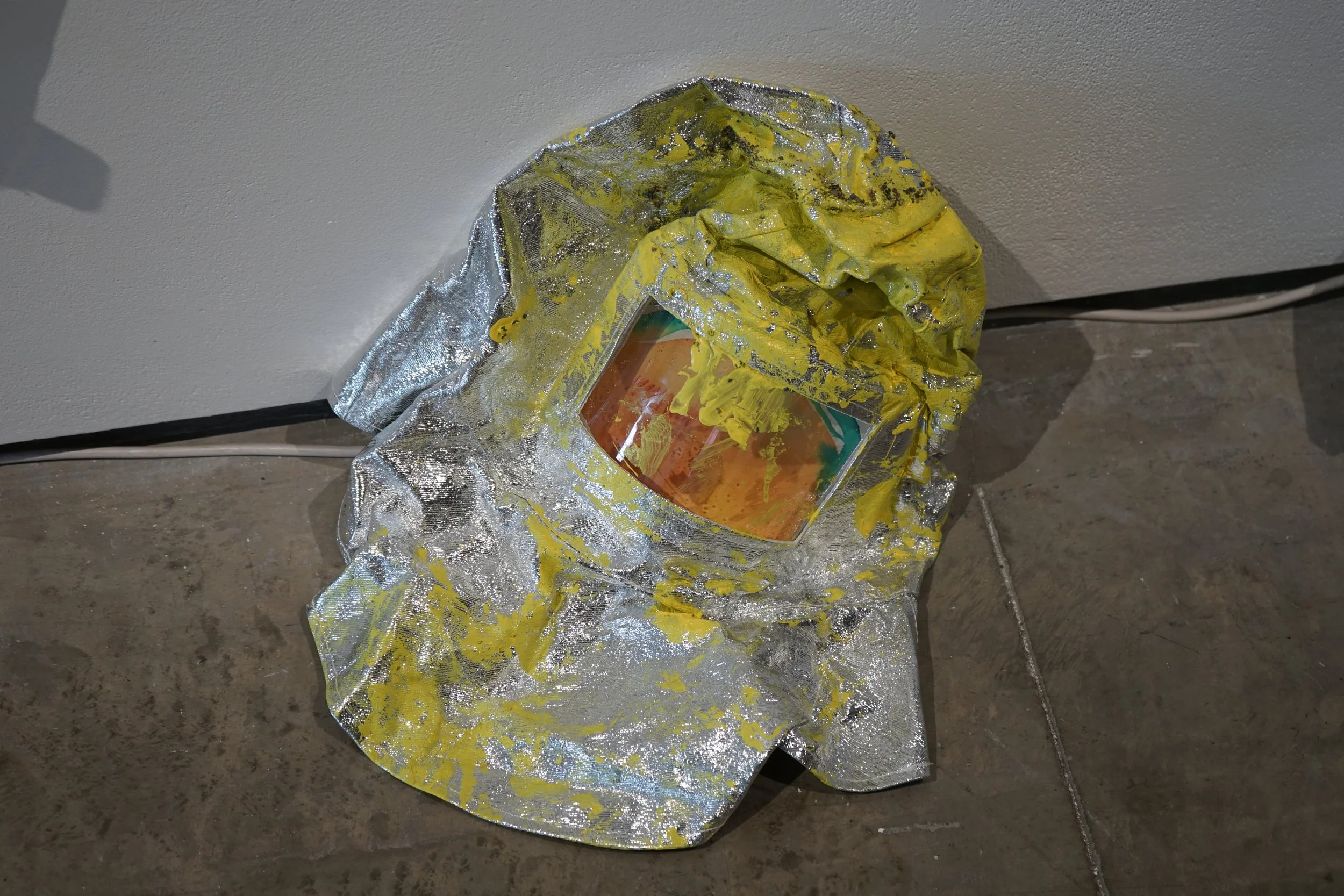
这更直观地展现了我作品中的延续性。我的创作实践围绕“解构”这一概念展开——从“解域”到“褶子”。
德勒兹提出的这两个概念体现了后结构主义的两大关键特征:去中心化和流动性,而我尝试将这些特征融入绘画和肖像创作之中。
This provides a more intuitive demonstration of the continuity in my work. My practice revolves around the concept of ‘deconstruction’—from ‘Deterritorialization’ to ‘The Fold’.
These two concepts by Deleuze embody the two key characteristics of poststructuralism: decentralization and fluidity, and I am committed to incorporating these characteristics into painting and portrait.
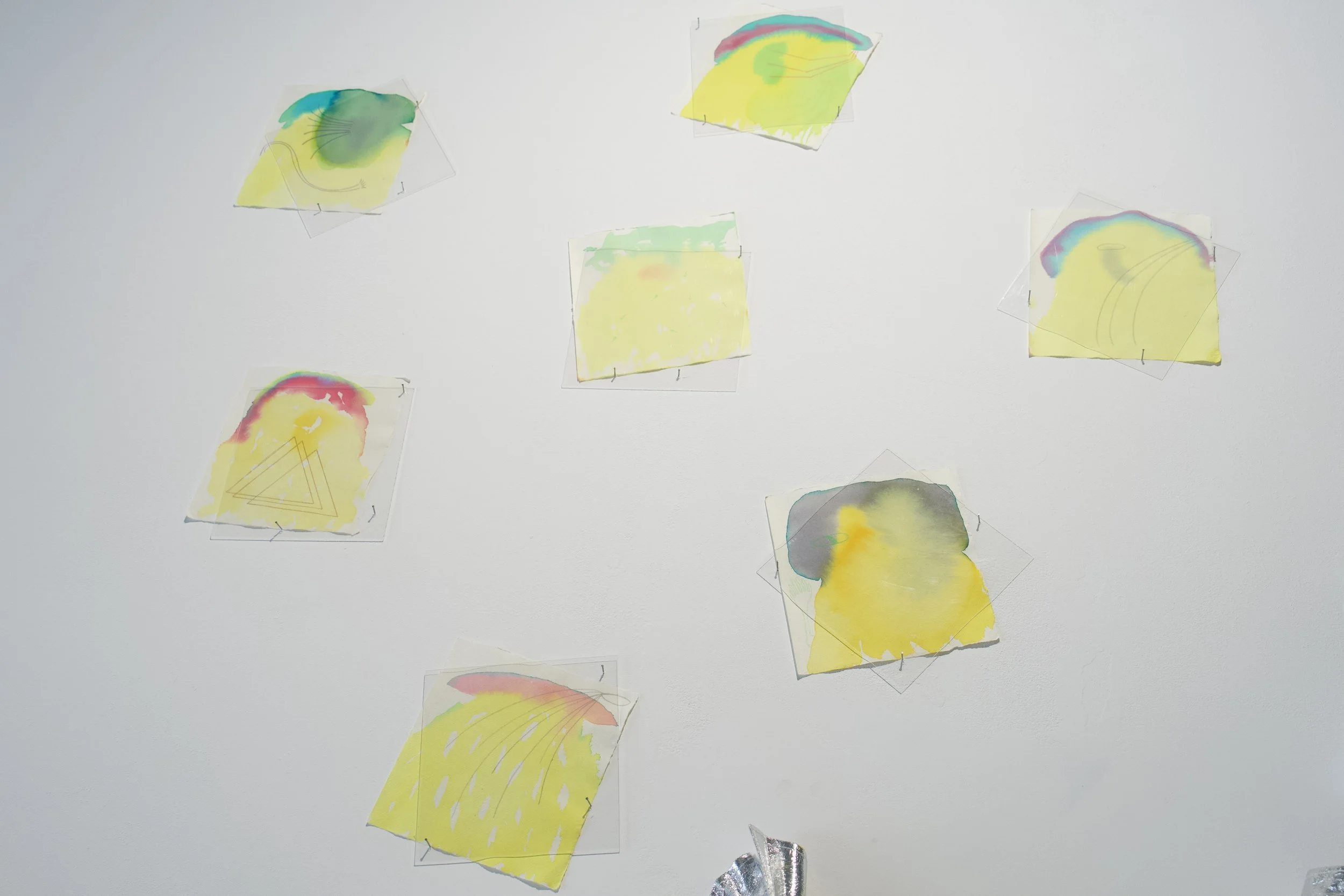
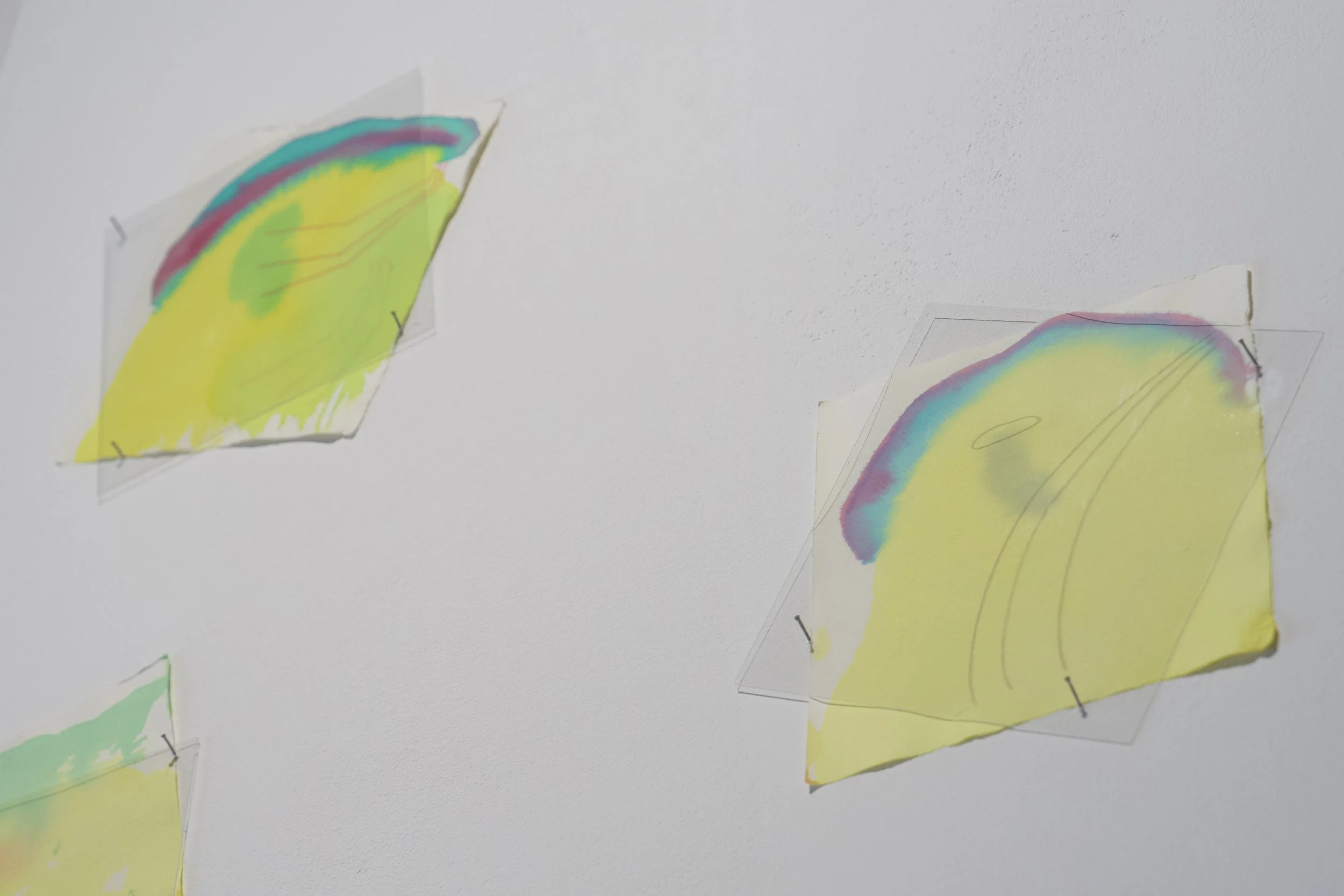
我将这幅肖像分解为面部和头发两个部分,并用两个形状各异的色块来表现它们。面部的黄色起到了贯穿作用,既贯穿于道具之中,也贯穿于影片之中,暗示了从绘画到电影的转变。我将面部表情抽象为符号;每幅画中这些符号的多样性,代表了不同个体的面部特征。
I deconstructed the portrait into facial and hair sections, representing them with two large blocks of color in distinct shapes. The yellow of the face serves as a thread, running through both the props and the film, implying the transition from painting to film. I abstracted the facial expressions into symbols; the varied forms of these symbols in each painting represent the unique expressions of a thousand people.
Click here
Or